How to Choose the Best Galápagos Nature Excursions for Your Trip
Understanding the Range of Galápagos Nature Excursions
Planning a trip to the Galápagos Islands means facing a delightful problem: there are so many ways to experience the archipelago that it can be hard to know where to start. The key is to match your interests, wildlife, geology, photography, or pure relaxation, with the right kind of outing. Most visits revolve around a base island like Santa Cruz Island, where you'll find the Charles Darwin Research Station and a good selection of day trips. But the real magic happens when you venture farther out, to islands that require more travel time and offer more solitude.
A well-designed set of galápagos nature excursions will balance time on land with time on the water, and will take you to sites that show the full range of the islands' habitats. From the lava landscapes of Bartolomé Island to the bird colonies of Genovesa Island, each location has a distinct character. Understanding what each stop offers helps you build an itinerary that feels coherent rather than rushed.
What to Look for in an Excursion Program
The quality of an excursion depends on three things: the guide, the boat, and the timing. A knowledgeable naturalist guide makes the difference between a pleasant walk and a deep learning experience. They know where the marine iguanas cluster at certain tides, which beaches the Galápagos penguin visits, and how to approach a blue-footed booby colony without disturbing the birds. On a smaller vessel like the Natural Paradise yacht, you get more personalized attention and the flexibility to adjust plans based on wildlife activity.
Boat size matters more than many travelers realize. A 16-passenger yacht can access coves and landing sites that larger ships skip. It also means shorter embarkation times and less waiting at each stop. That extra hour on the island, instead of in a dinghy line, adds up over a week-long trip. When comparing galápagos nature excursions, ask about the vessel's itinerary style, some operators follow a fixed route, while others adapt to conditions and sightings.
Northern and Central Island Highlights
North Seymour Island is famous for its frigatebird colonies and nesting blue-footed boobies. The trail here is flat and easy, making it a good choice for travelers who want close-up bird photography without a strenuous hike. The island's low vegetation means you see the birds at eye level, and during mating season the boobies' sky-pointing dance is hard to miss.

Bartolomé Island offers a different kind of reward: a short but steep climb to a viewpoint that overlooks the entire central archipelago. The summit gives you a sense of the islands' volcanic origins and the patterns of erosion shaped by wind and current. Below the cliffs, a small beach hosts sea lions and the occasional marine iguana sunning itself on black lava rocks.
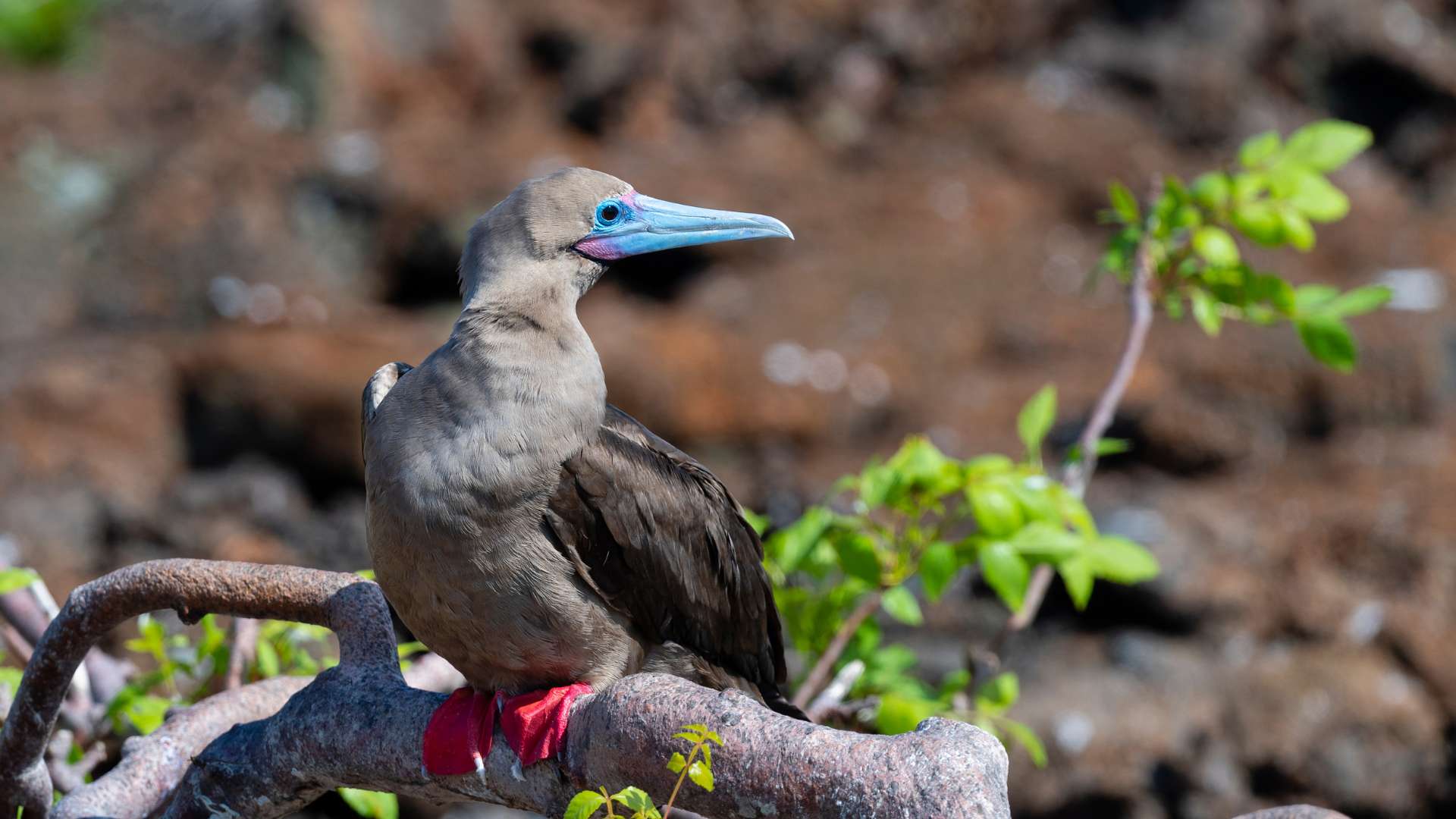
Genovesa Island, sometimes called "the bird island," sits in the far north and is accessible only by ships that plan for the longer crossing. Its steep cliffs and collapsed caldera create a natural amphitheater where red-footed boobies, swallow-tailed gulls, and storm petrels nest. The landing at Prince Philip's Steps involves climbing a carved staircase in the rock, which can be challenging in wet conditions but rewards you with one of the most dramatic bird spectacles in the Pacific.
Southern and Western Sites for Varied Wildlife
Española Island, in the southeast, is the primary nesting site for waved albatrosses, and the trail at Punta Suárez passes right through their territory. The birds are remarkably unconcerned by human presence, so you can observe courtship displays from a few meters away. The island also hosts one of the largest marine iguana populations, and you'll see color variations, reds and greens, that are unique to this island.
Floreana Island has a quieter reputation, but its history of early settlers and its post office barrel (still used by travelers to mail postcards) add a human layer to the natural experience. The snorkeling at Punta Cormorant is excellent, with clear water and a good chance of encountering sea turtles and rays. The contrast between Floreana's green highlands and its arid coast illustrates the microclimates that make each island distinct.
Isabela Island, the largest in the archipelago, features the rugged Sierra Negra volcano and the wetlands of Urbina Bay. A hike across the lava fields at Tagus Cove reveals the volcanic layers that built the island, and the cove itself offers protected waters for snorkeling. Fernandina Island, the youngest and most volcanically active, has the rawest landscapes. The lava flows there are recent enough that little vegetation has reclaimed them, and you'll see Galápagos penguins perched on the rocks at the shoreline, one of the few places in the world where penguins live on the equator.

Snorkeling and Diving Considerations
Many galápagos nature excursions include snorkeling stops, and the quality of these depends heavily on water conditions and current. Kicker Rock, off the coast of San Cristóbal, is a classic site where a volcanic tuff cone has split in half, creating a channel filled with fish, sharks, and sea lions. The current can be strong here, so it is best suited for confident swimmers. Shallower sites like Urvina Bay offer calmer conditions and a chance to see turtles and rays grazing on seagrass beds.
If you are a diver, you will want to check whether the itinerary includes dedicated dive days or only snorkeling. Some yachts carry dive equipment, while others focus on surface-level activities. The same is true for kayaking, a few operators include sea kayaks as an option, which gives you a quiet way to explore coves and mangroves without disturbing the wildlife.
Pacing and Rest Days
A common mistake is trying to visit too many islands in too few days. The Galápagos Islands are spread over a large area, and travel times between them can take several hours. A well-paced itinerary includes a rest day or a half-day at the end of the trip, so you are not rushing from the last landing to the airport. Santa Cruz Island, with its shops, restaurants, and the Charles Darwin Research Station (where you can see giant tortoises up close), makes a good final stop. The station's breeding program has been crucial to restoring tortoise populations on several islands, and the interpretive displays give context to what you have seen in the wild.
Practical Tips for Choosing
When reviewing options, pay attention to three things: the guide-to-guest ratio, the condition of the snorkel gear, and the flexibility of the daily schedule. A ratio better than 1:10 means more individual attention. Ask whether the boat provides wetsuits (useful in cooler months) and whether the itinerary includes a backup plan for bad weather. The best excursions are those that can pivot to a sheltered site when the wind picks up, rather than canceling the outing entirely.
Also consider the physical demands. Some trails involve climbing over lava rocks or walking on uneven terrain. If mobility is a concern, look for itineraries that offer a mix of easy and moderate walks, with alternatives for those who prefer to stay near the landing beach. The guide should be able to split the group by ability, so everyone gets a suitable experience.
Finally, think about what you want to remember most. If it is the moment a giant tortoise emerges from the highland mist, then prioritize sites like Santa Cruz or the Alcedo Volcano area on Isabela. If it is the sight of a Galápagos penguin darting past your mask, then focus on the western islands. Every itinerary is a trade-off, and the best one is the one that matches your curiosity.